EO Capability Benefits
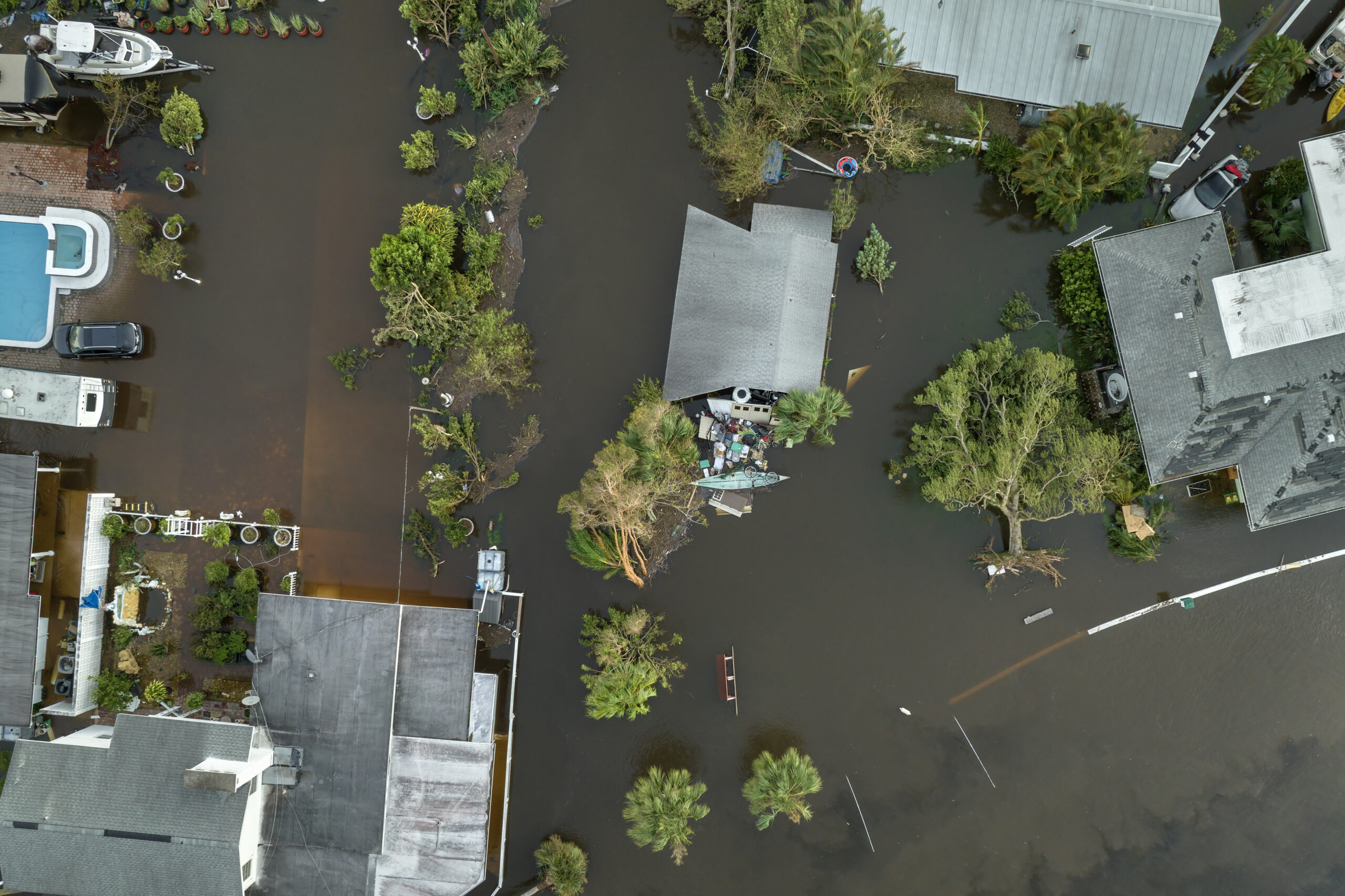
Satellite data enables us to retrieve information about building footprints, including their heights, locations, and changes. It refines population census data, supports urban planning, and enhances disaster management by informing decision-making processes. Additionally, accurate building data is crucial for risk management, sustainability efforts, and insurance assessments, enabling better responses to natural hazards and the monitoring of the environmental impacts of urbanisation.
EO Capability Description
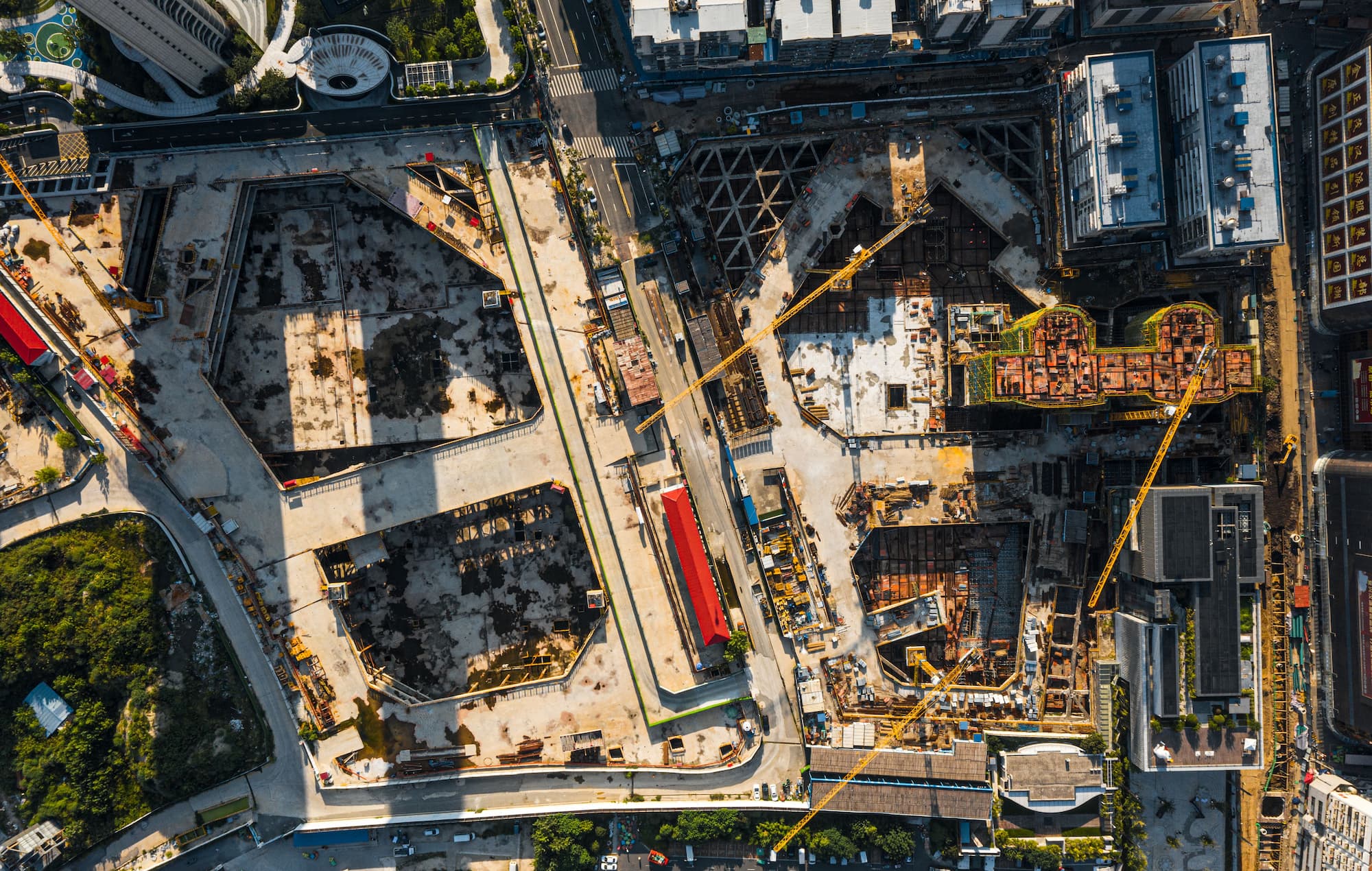
Advances in AI enable us to use satellite images to identify both 2D and 3D building footprints by classifying each pixel as either a building or non-building. AI-based methods significantly reduce the cost of detecting building locations and heights, but accuracy depends on the quality of satellite imagery (spatial resolution, shadows, cloud cover, etc.) and training data. In some cases, manual corrections are still necessary, which can increase costs. Whether entirely or partially AI-derived, 2D building or building block outlines from Very High-Resolution imagery are represented as vector data, providing a clear representation of building location and geometry.
For some use cases, 3D building footprints (i.e. building footprints with a a numerical height attribute in meters) are required to gain deeper insights into the vertical expansion of cities. Building heights are deduced by capturing the same building or area from multiple (often two or three) angles, making use of the parallax effect. This gives rise to the underlying input data: Multi-Stereo imagery. Both passive optical and active InSAR (Interferometric Synthetic Aperture Radar) can be used as sole inputs or in combination, each with their own set of advantages and challenges. Shadow length has also been used to obtain additional data on building height. Estimating building height in relation to the ground requires high-quality Digital Surface Models (DSM) and Digital Terrain Models (DTM) to account for terrain relief and surface features, which can be challenging in densely built, undulating areas. Height information is crucial for creating 3D city models, which increasingly inform development control and urban planning allowing us to understand urban density and assess potential risks in rapidly expanding cities. They are also revolutionizing how proposed developments are visualised to create public engagement.
Typical Input Data Source
VHR OPTICAL
SPATIAL RESOLUTION
1-5 m
COVERAGE
Global
ACTIVITY
N/A
FREQUENCY
c. 1.7 days